
Computational Fluid Dynamics
Make flow behaviour visible.
Explore fluid flow, pressure distribution and heat transfer in liquids and gases. Compare configurations and understand the flow behaviour behind your design decisions.
Discuss a computational fluid dynamics project ↗Your engineering decision
What do you need to understand?
01Where is pressure being lost?
02Is the flow distributed effectively?
03How can cooling flow improve?
Fluid-flow studies
See the flow. Understand the design.
Analysis capabilities
Find the right analysis for your question.
Explore the capabilities below. Select an analysis to read more; we will agree the appropriate scope around your requirements.
Internal & external flow
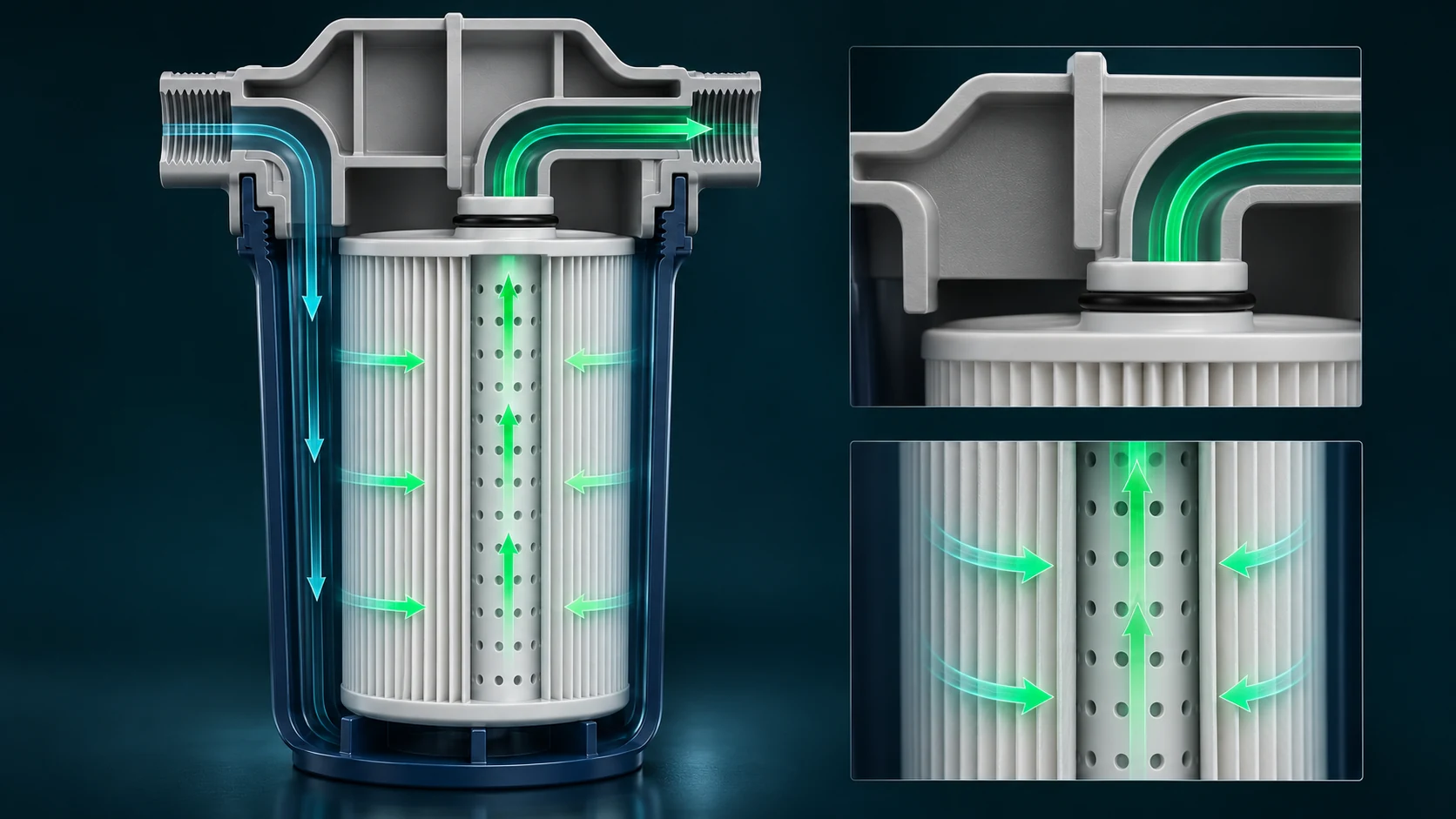
Internal Flow Analysis
Evaluate velocity distribution, pressure drop, flow uniformity and losses inside pipes, ducts, channels and enclosed passages.
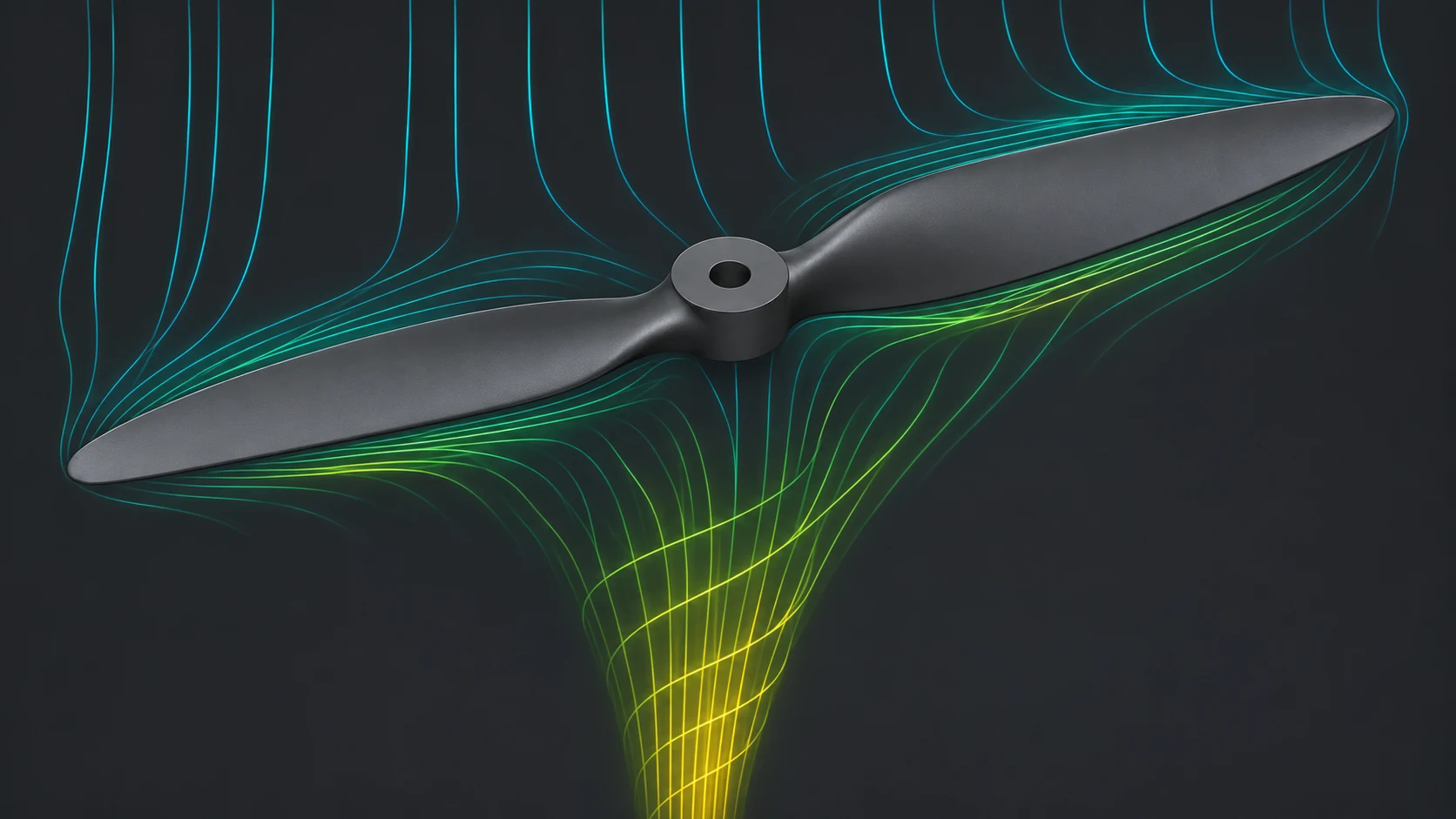
External Flow Analysis
Investigate surface pressures, flow separation, wakes and fluid forces around external bodies.
Flow regimes & aerodynamics
Laminar Flow Analysis
Assess orderly fluid motion, pressure losses and heat transfer in applications where laminar-flow assumptions are appropriate.
Turbulence Analysis
Model turbulent flow and its effects on mixing, vortices, pressure losses and heat transfer using an appropriate modelling approach.
Aerodynamic Analysis
Evaluate airflow, drag, lift and pressure distribution around components, vehicles or structures under the defined conditions.
Multiphase flow
Multiphase Flow Analysis
Investigate interactions between gas, liquid or solid phases, including phase distribution, particle movement and phase change where relevant.
Cooling & heat transfer
Conjugate Heat Transfer (CHT)
Couple fluid flow with heat conduction in surrounding solids to assess temperatures and heat exchange across their interfaces.
Heat Exchanger Analysis
Assess heat-transfer rates, temperature distribution and pressure drop to compare heat-exchanger configurations.
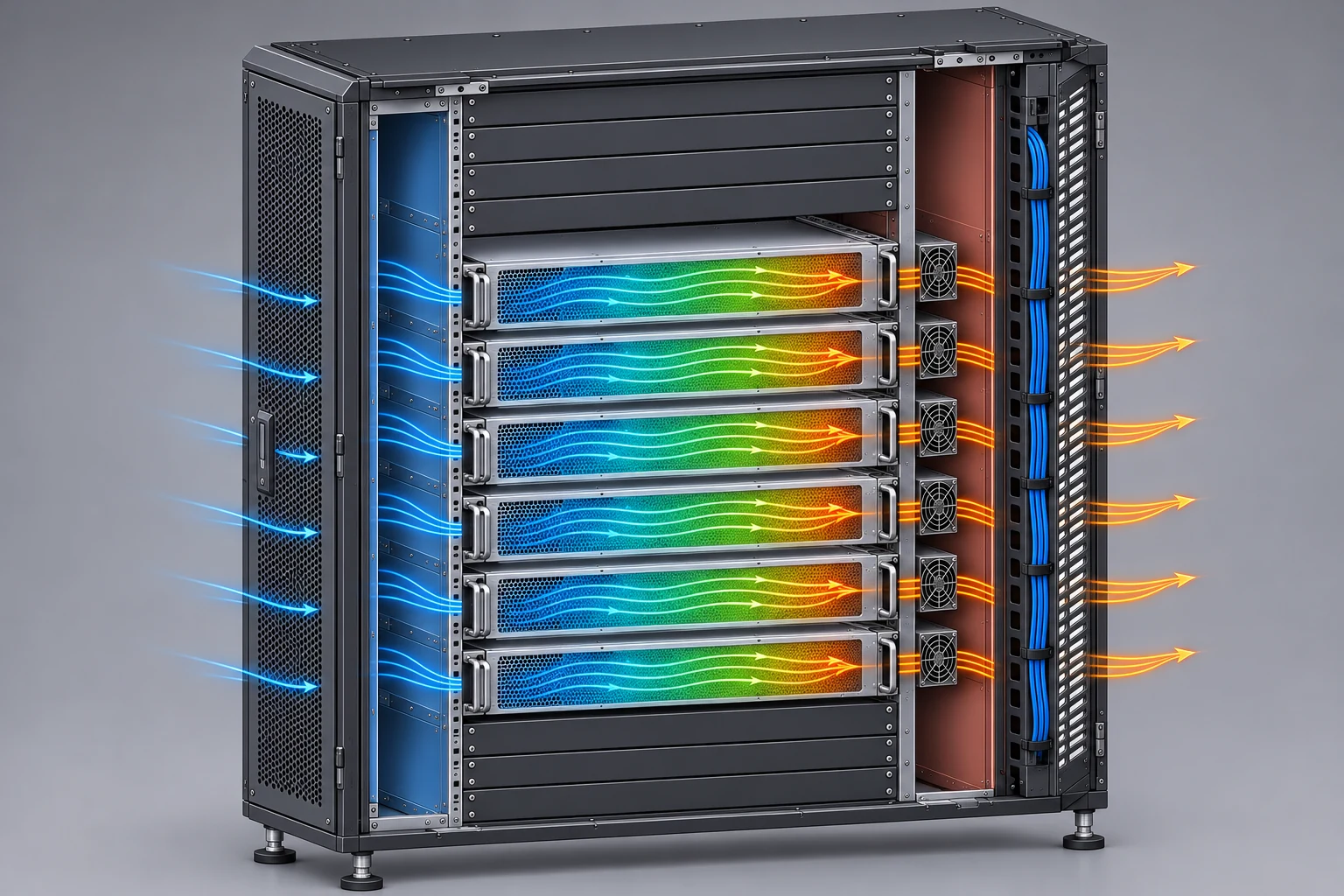
Cooling System Analysis
Evaluate coolant or airflow distribution, heat removal, temperature uniformity and pressure losses in a cooling system.
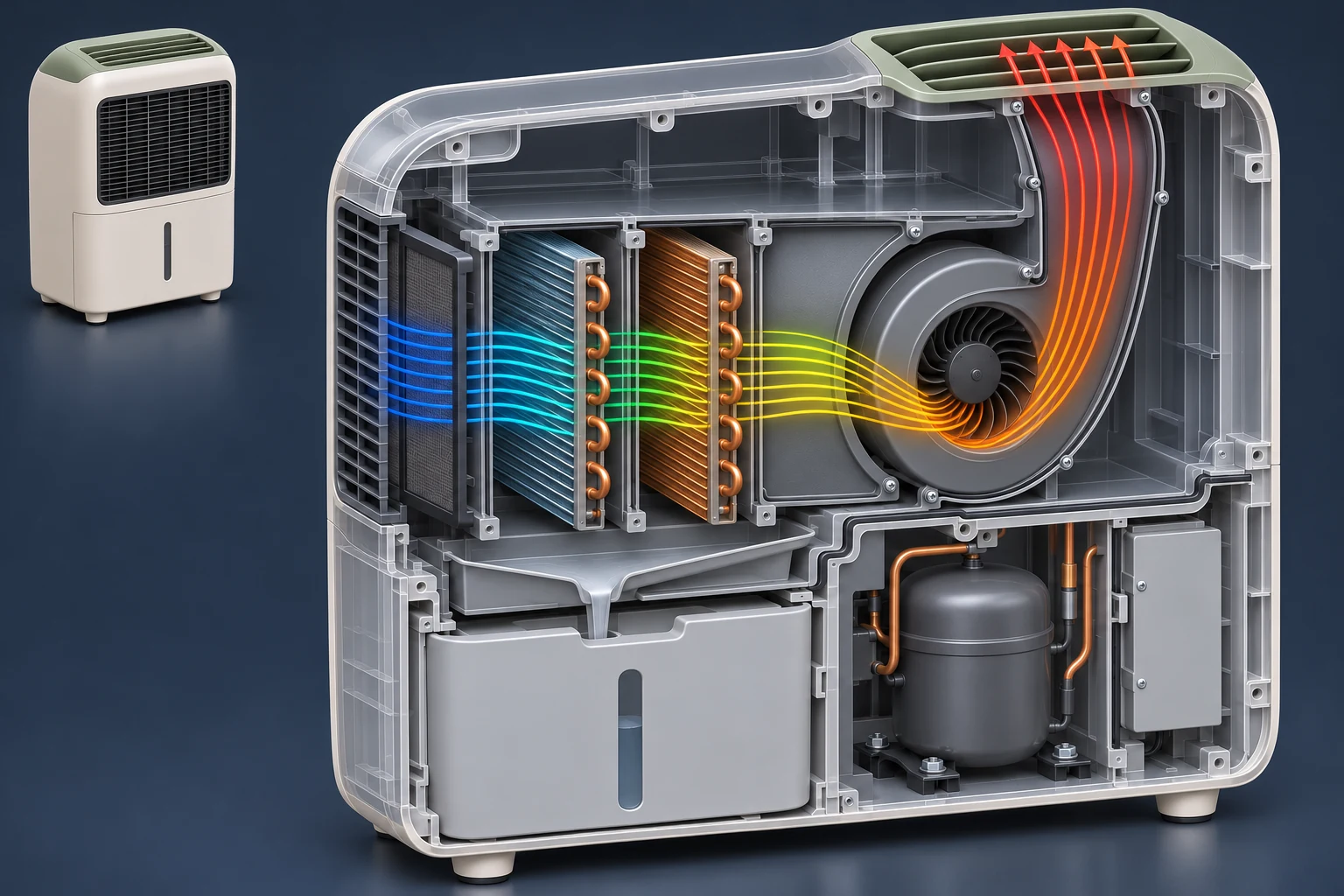
Internal-flow study
Trace the air through a compact appliance.
Portable dehumidifier
Flow results
What we need
- Geometry, flow paths and relevant surface conditions
- Fluid properties, inlet and outlet conditions
- Thermal loads, operating range and performance targets
What you receive
- Agreed CFD report and flow visualizations
- Pressure-drop, flow or thermal findings as scoped
- Model assumptions, limitations and design comparisons
Inputs and deliverables are agreed for each project. Results are interpreted against the assessed conditions, assumptions and available data.
Have a flow or cooling challenge?
Tell us about your product and the decision you need to make.